
The main task of the Estonian Quality Agency for Education (HAKA) is to assess the quality and promote quality culture of educational and training institutions. HAKA conducts evaluations and development activities in the field of higher education, vocational education and training, continuing education, and general education.
The Agency aims at bringing the best international practices to Estonia and contributing to the advancement of education quality in other countries.
HAKA operates as an independent unit within the Estonian Education and Youth Board (as of 1st of August 2020) and is goverened by a Supervisory Board composed of representatives of various stakeholder groups.
HAKA is registered in the European Quality Assurance Register for Higher Education (EQAR).
Higher education
HAKA is committed to quality assessment and enhancement in higher education, guided by European values and quality standards. Through institutional accreditation and other expert assessments, HAKA supports trustworthy higher education in Estonia.
HAKA also offers training and development programmes for higher education leaders, academic staff, and students, contributing to the development of a quality culture in higher education institutions.
In all our procedures we follow European quality assurance standards for higher education (ESG), and we have been a member of ENQA and listed in EQAR since 2013.
Vocational education
HAKA’s role in the field on vocational education is to assess and develop the quality of education and training in Estonia. Through external evaluations and support for self-assessment, HAKA strengthens trust and sustainable quality culture in VET institutions. Our work is based on national and international legislation, aiming to improve outcomes and relevance of VET. We cooperate with professional networks in Estonia and with EQAVET internationally.
Continuing education
HAKA is committed to assessing and enhancing the quality of continuing education, guided by European values and quality standards. Through quality assessments, HAKA supports the development of trustworthy and high-quality continuing education in Estonia and abroad.
HAKA also offers training and development programmes for continuing education providers and prepares guidance materials for organisations commissioning training as well as for trainers. In doing so, we contribute to the development of quality culture in the continuing education sector.
General education
HAKA’s task is to empower educational institutions and their owners to enhance the quality of learning and teaching and to support learners’ development.
In general education we focus on three major objectives in 2022-2029: developing quality assessment for general education; supporting the development of educational institutions; and developing a digital solution to support evidence-based school management. All those activities are in the phase of testing.
In these activities we involve partners from universities and representative organisations, practitioners in the field of general education, and other experts.
News
View all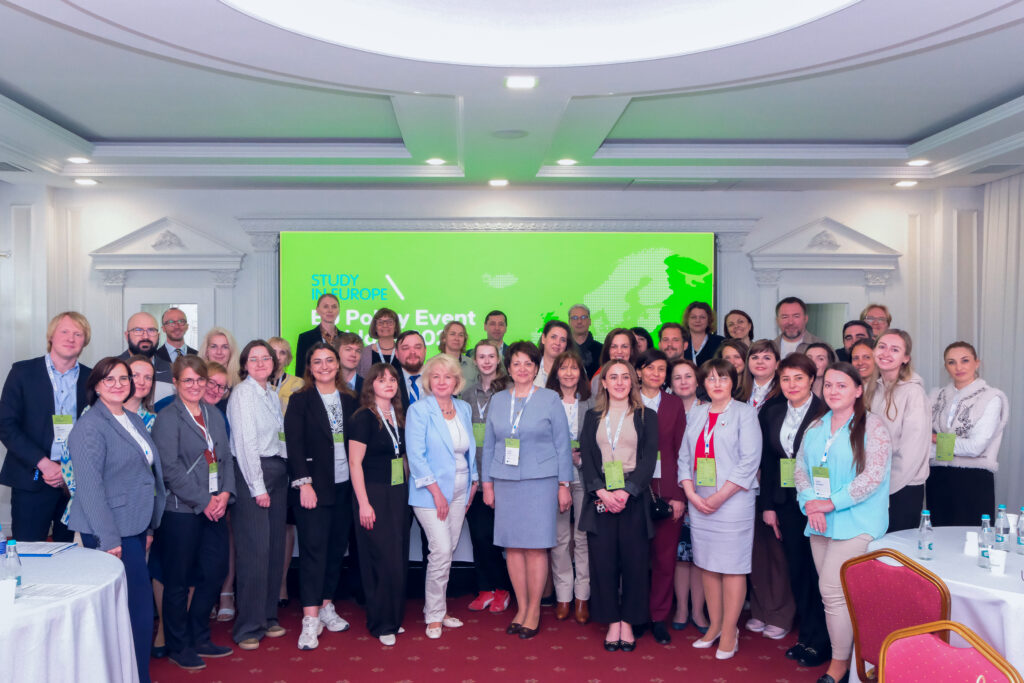
Estonian Education and Youth Board and HAKA organised a European Higher Education Policy Seminar for Eastern Partnership Countries in Moldova

An article on the results of institutional accreditation was published in an international journal dedicated to the quality of higher education

We invite students to help improve the quality of e-courses
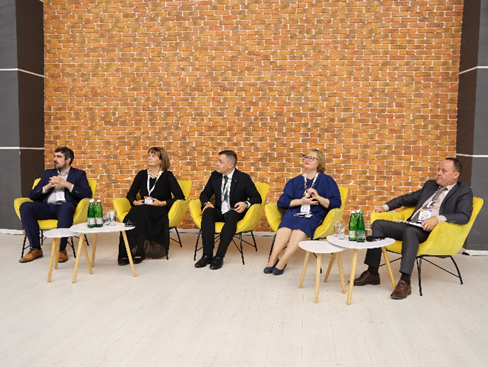
HAKA handed over accreditation certificates to three Ukrainian universities at the Ukrainian Higher Education Quality Forum
The goal of General education quality assessment is that we have schools where both students, teachers and leaders feel good about themselves, where the progress of both students and teachers is a natural part of everyday life and the development of each learner is supported in the best possible way.
Eve Eisenchmidt, member of HAKA General Education Assessment Council
Due to the quality assessment, we have done a good and thorough self-analysis. It is most valuable to ourselves.
Tatjana Romanova, Language school “Tarkus”